After Hours Vinyl
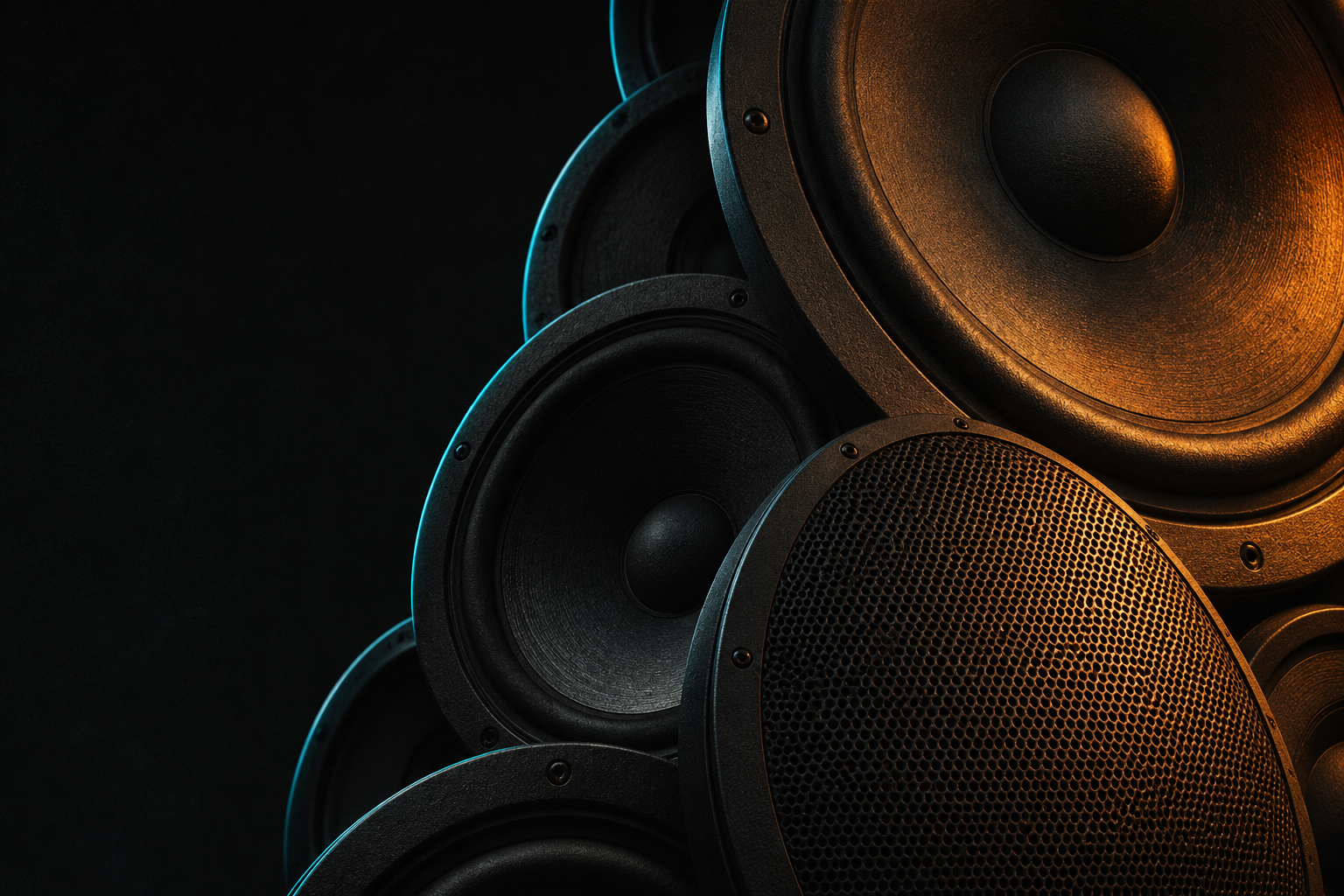
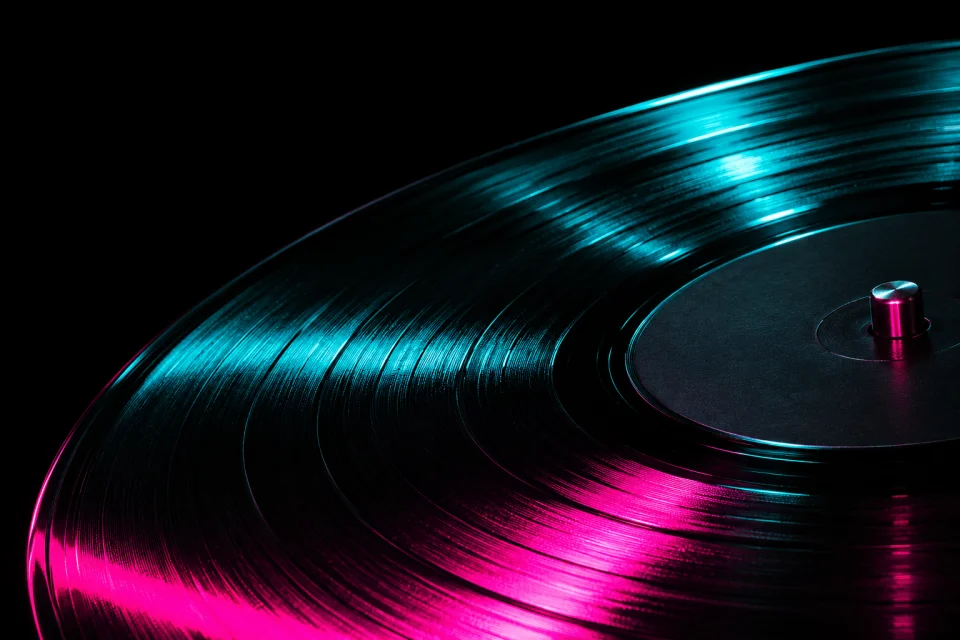
A release cover or late-night station card. Set the title in the dark upper-left corner.
Artwork, sound and production references for making releases, radio and browser games.
A short visual study for LoftwahFM’s Night Signal station. The Woodhouse Share artwork was animated in Media Studio with Hailuo 2.3 Standard; the original remains the poster.
A release cover or late-night station card. Set the title in the dark upper-left corner.
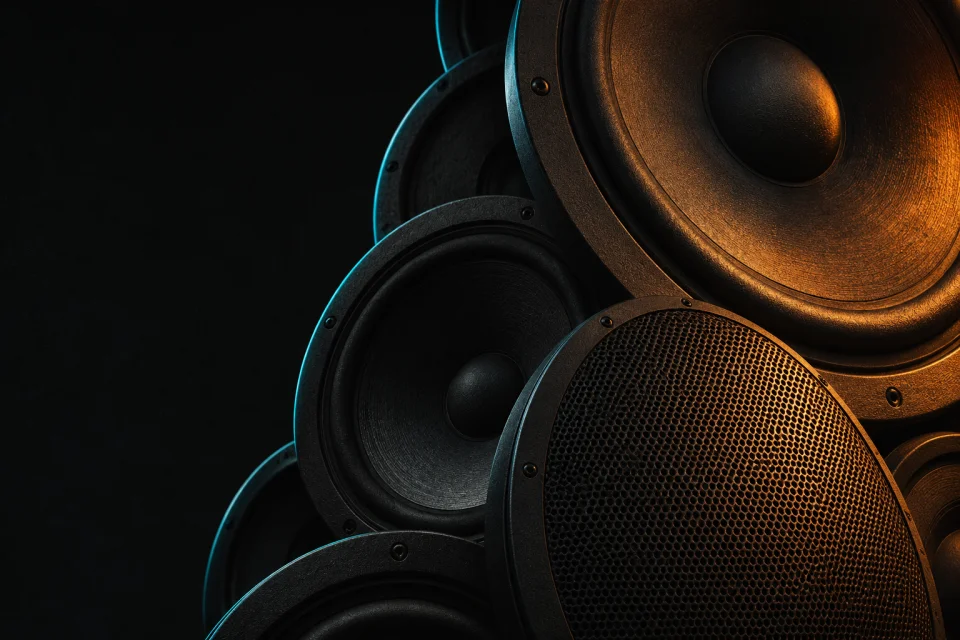
A mix announcement or a live-set backdrop. The dark left edge leaves room for the line-up.
Start with a genre, then listen for the signature. Leads glide into the downbeat, the kick gives the bass room, and the harmonics keep moving.
Expressive analogue-inspired production, connected monophonic phrasing, legato portamento with pitch bends anticipating the downbeat, moving harmonics, breathing dynamics and controlled low end. Melodic house, 122–128 BPM. Four-on-the-floor kick, detuned gliding lead, rolling Reese underneath, sidechained pads and a spacious breakdown before the final drop. Mostly instrumental. Short recurring vocal hook only if it serves the track.
Expressive analogue-inspired production, connected monophonic phrasing, legato portamento with pitch bends anticipating the downbeat, moving harmonics, breathing dynamics and controlled low end. Liquid drum & bass, 170–176 BPM. Rolling breakbeats and ghost snares, sliding Reese bass, liquid minor-key voicings and evolving atmospheric layers. Let the kick breathe through the bass. Mostly instrumental. Short recurring vocal hook only if it serves the track.
Expressive analogue-inspired production, connected monophonic phrasing, legato portamento with pitch bends anticipating the downbeat, moving harmonics, breathing dynamics and controlled low end. Instrumental hip-hop, 85–100 BPM. Swung drums, a sliding saturated 808, syncopated melodic stabs and a loose pocket. Keep the decay clear of the next kick. Mostly instrumental. Short recurring vocal hook only if it serves the track.
Expressive analogue-inspired production, connected monophonic phrasing, legato portamento with pitch bends anticipating the downbeat, moving harmonics, breathing dynamics and controlled low end. UK garage, 130–138 BPM. Shuffled two-step drums, elastic modulated bass, atmospheric chord changes and sparse vocal chops. Let the bass answer the offbeat percussion. Mostly instrumental. Short recurring vocal hook only if it serves the track.
Expressive analogue-inspired production, connected monophonic phrasing, legato portamento with pitch bends anticipating the downbeat, moving harmonics, breathing dynamics and controlled low end. Progressive trance, 132–138 BPM. Evolving arpeggios, a euphoric legato lead, restrained kick-triggered pad ducking and a long melodic build to an open, energetic release. Mostly instrumental. Short recurring vocal hook only if it serves the track.
Expressive analogue-inspired production, connected monophonic phrasing, legato portamento with pitch bends anticipating the downbeat, moving harmonics, breathing dynamics and controlled low end. Dark electro, 100–115 BPM. Heavy midtempo drum accents, growling harmonic bass, resonant filter articulation and cinematic breakdowns with room for the next attack. Mostly instrumental. Short recurring vocal hook only if it serves the track.
Look up historic instruments, industrial objects and illustration details for cover-art references.
Search image captions to build a moodboard, then check the original record before using a specific image.
Browse museum metadata for printmaking, textiles and shapes. Use the museum record to find images marked Open Access.
Find source font files for release lettering, lower thirds and reusable card layouts.
Find material textures and HDRIs for rendering sleeves, objects and station backdrops.
Short clicks and confirmation sounds for game menus, radio demos and interaction prototypes.
Prototype hits and collisions while the game’s music and effects buses are still being tuned.
Script repeatable audio renders and compare EQ, saturation or compression on local test clips.
Play the browser demo and get the pinned SDK starter for integrating public FM radio with your game’s own audio controls.
Build a public player for a release site or project page, then copy the code or hand the exact setup to a coding agent.
Use the same icon vocabulary in game menus, widgets and web tools.
Export an individual report as a square, wide or story PNG with the period and units intact.
Open Games × Radio to share a measured listening snapshot with its game and reporting period.
Resize and encode release teasers, normalise delivery formats and inspect rendered media.